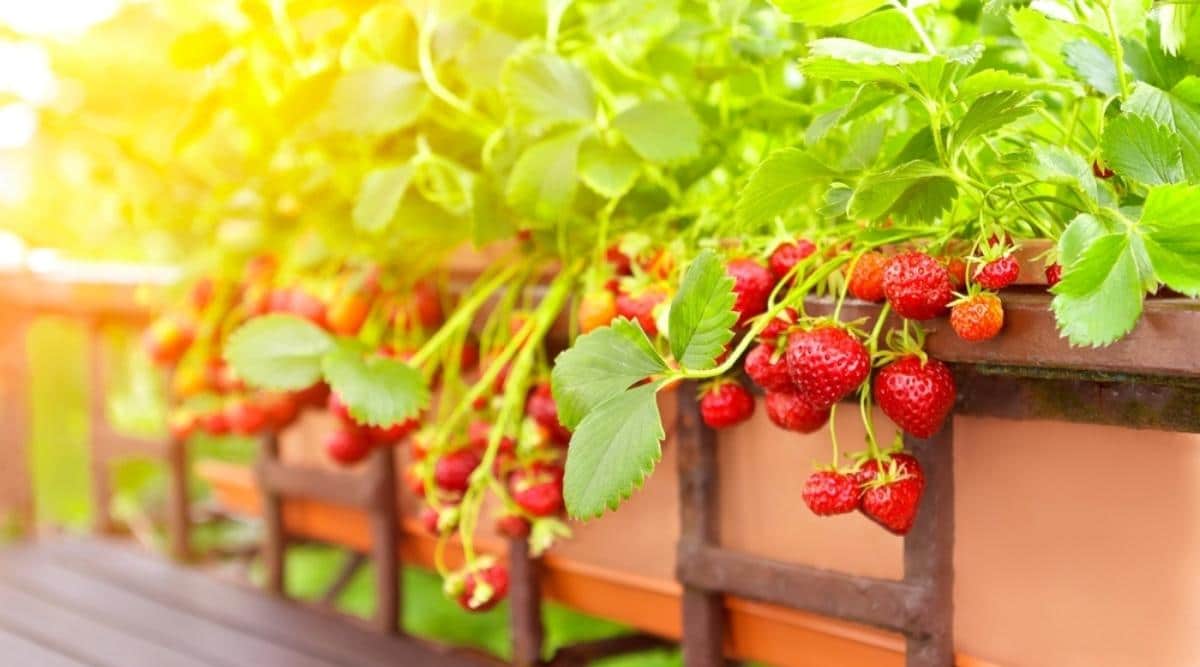
Dreaming of biting into a juicy, sun-ripened strawberry, picked fresh from your own garden? Even if your "garden" is limited to a small patio, balcony, or a tiny urban plot, that dream is well within reach! Learning how to grow strawberries in pots is an incredibly rewarding endeavor, transforming even the most modest spaces into a productive berry patch. These adaptable and charming plants are perfectly suited for container life, offering a bounty of sweet fruit without requiring vast amounts of land.
Far from being a compromise, growing strawberries in pots can actually be a superior method for many gardeners. Their compact nature and shallow root systems make them ideal candidates for containers of all shapes and sizes. This guide will walk you through everything you need to know, from choosing the right pot and variety to essential care tips, ensuring you enjoy a delicious harvest right at your fingertips.
Why Growing Strawberries in Pots is a Game-Changer
The appeal of container gardening for strawberries extends far beyond simply saving space. While that's certainly a primary motivator for many, there are several compelling reasons why cultivating these beloved berries in pots is a smart choice for gardeners of all experience levels.
- Optimizing Small Spaces: This is arguably the biggest draw. Strawberries are small plants that don't demand expansive root runs, making them perfect for urban dwellers, apartment balconies, or compact patios. You can create a thriving berry patch virtually anywhere you have a sunny spot, turning overlooked areas into productive edible landscapes.
- Enhanced Aesthetics: Beyond their delicious fruit, strawberry plants are surprisingly ornamental. Their lush green foliage, delicate white or pink blossoms, and bright red berries create a beautiful cascading effect, especially when grown in hanging baskets or elevated planters. They add a touch of rustic charm and vibrant life to any outdoor area.
- Superior Soil Control: Not all gardens are blessed with rich, well-draining soil. Growing strawberries in pots allows you to completely control their growing medium. You can provide them with the ideal sandy loam mix they crave, ensuring excellent drainage and nutrient availability, regardless of your native garden soil conditions. This is a huge advantage for gardens with heavy clay or poor, infertile earth.
- Natural Pest Deterrence: Strawberries are a favorite snack for a wide array of creatures, from slugs and snails to birds and rodents. Elevating your plants in containers significantly reduces their accessibility to many ground-dwelling pests. While not entirely foolproof, it certainly minimizes the threat and can make pest management much simpler.
- Unmatched Convenience and Mobility: Imagine stepping out your door and plucking ripe berries for your breakfast! Pot-grown strawberries offer unparalleled convenience. You can place them right by your kitchen entrance or seating area for easy harvesting. Furthermore, the mobility of containers allows you to move your plants to optimize sunlight, protect them from harsh weather, or even bring them indoors during extreme cold. This flexibility is a significant benefit that traditional in-ground planting can't offer. For more detailed insights into these benefits, check out our article: Why Grow Strawberries in Pots? Save Space, Deter Pests, & More.
Getting Started: When and How to Plant Your Strawberry Delights
Embarking on your potted strawberry journey is exciting! Knowing when and how to plant correctly sets the stage for a fruitful season.
When to Plant Strawberries in Pots
The ideal time to plant strawberries in pots is in early spring, typically March or April, once the danger of hard frost has passed and the soil begins to thaw. This timing allows the plants to establish a robust root system before the intense heat of summer and the demands of fruiting begin.
You have two main options for starting your strawberry patch:
- Bare-Root Strawberry Crowns: These are dormant plants without soil, usually more budget-friendly. They look like a small root ball with a crown (the top part where leaves emerge). Plant them immediately upon arrival, ensuring the crown is at soil level, with the roots spread out. They will take a little longer to show leafy growth but establish well.
- Potted Plant Starts: These are young strawberry plants already growing in small pots, available from your local nursery. They offer a quicker start, often producing fruit sooner, as they are already actively growing. Simply transplant them into their larger containers, being careful not to disturb the roots too much.
Choosing the Right Containers for Strawberry Success
The beauty of growing strawberries in pots is the sheer variety of containers you can use. The most crucial factor, regardless of style, is ensuring your chosen pot has ample drainage holes. Strawberries hate soggy feet!
Consider these aspects when selecting your pots:
- Size Matters: While strawberries have short root systems, they do appreciate some space to spread and produce runners. Aim for a pot that is at least 8 inches deep and 10 to 12 inches in diameter. This size can comfortably accommodate 2-3 strawberry plants. Wider pots are generally better as they allow for more plants and runner development.
- Material Options:
- Terracotta/Clay: Attractive and breathable, but dries out quickly, requiring more frequent watering.
- Plastic: Lightweight, retains moisture well, and often more affordable.
- Grow Bags: Excellent for aeration and drainage, often made from recycled materials.
- Wood: Offers good insulation and a natural look, but ensure it's treated for outdoor use.
- Vertical Gardening Solutions: For truly maximizing space, especially on balconies or small patios, explore vertical options:
- Strawberry Jars: These iconic multi-pocketed pots are purpose-built for strawberries, allowing you to grow many plants in a compact footprint.
- Hanging Baskets: Capitalize on the strawberry's cascading habit. They look stunning with ripe berries trailing over the sides.
- Vertical Towers: Multi-tiered systems or stackable planters can pack dozens of plants into a very small area.
The Sunshine Factor: Fueling Sweet Berries
For the sweetest, most abundant harvests, sunlight is non-negotiable. Strawberries are sun-worshippers! They thrive with at least 6 to 8 hours of direct sunlight each day. If you can provide more, even better – around 8 hours or more encourages stronger growth, a greater profusion of flowers, and ultimately, sweeter, more intensely flavored berries. Choose the sunniest spot on your patio, balcony, or deck for your strawberry pots.
Selecting the Best Strawberry Varieties for Container Success
Choosing the right strawberry variety is key to enjoying a bountiful harvest. All three main types of strawberries can be successfully grown in pots, but understanding their fruiting habits will help you pick the best fit for your gardening goals.
1. June-Bearing Strawberries
- Characteristics: These varieties produce one large crop of berries over a 2-3 week period, typically in late spring to early summer (hence "June-bearing"). They are known for their large, classic strawberry flavor.
- Best for Pots if: You want a significant harvest all at once for jams, freezing, or a big family treat. They often send out many runners, which can be propagated to start new plants or allowed to fill a wider pot.
- Popular Varieties: 'Honeoye', 'Allstar', 'Chandler'.
2. Ever-Bearing Strawberries
- Characteristics: As their name suggests, these varieties produce two to three smaller harvests throughout the growing season – one in spring, another in late summer, and sometimes a third in fall.
- Best for Pots if: You prefer a steady supply of fresh berries over a longer period, rather than one big flush. They produce fewer runners than June-bearers.
- Popular Varieties: 'Ozark Beauty', 'Quinault', 'Seascape'.
3. Day-Neutral Strawberries
- Characteristics: These are the most consistent producers, yielding fruit continuously from spring until the first hard frost, as long as temperatures remain between 35°F and 85°F. Their fruiting isn't dependent on day length.
- Best for Pots if: You want the longest possible harvest window and a continuous supply of fresh berries for daily snacking. They produce very few runners, making them ideal for compact container growing.
- Popular Varieties: 'Tristar', 'Tribute', ''Albion'.
For beginners or those with limited space, Day-neutral or Ever-bearing varieties are often recommended as they provide a more extended harvest, giving you a continuous supply of fresh fruit for snacking and desserts. When selecting, always look for healthy, disease-free plants from a reputable source.
Essential Care Tips for Thriving Pot-Grown Strawberries
Once your strawberries are happily planted in their containers, a little ongoing care will ensure a bountiful and delicious harvest. Growing strawberries in pots puts you in control, allowing you to tailor their environment for optimal growth.
Choosing the Right Potting Mix
This is crucial for container success. Do not use garden soil, which can be too heavy and introduce pests or diseases. Instead, opt for a high-quality, well-draining potting mix specifically formulated for containers. A good mix will be rich in organic matter and provide the necessary aeration for roots. You can also mix in some compost to boost nutrient content and moisture retention. The ideal pH for strawberries is slightly acidic, between 5.5 and 6.5.
Watering: Consistency is Key
Container plants dry out much faster than in-ground plants, especially in warmer weather or if using porous pots like terracotta. Strawberries need consistent moisture, particularly when flowering and fruiting. Check the soil daily by sticking your finger about an inch deep. If it feels dry, it's time to water thoroughly until water drains from the bottom of the pot. Avoid overwatering, as this can lead to root rot. Good drainage is paramount!
Fertilizing for Peak Performance
Strawberries are relatively heavy feeders, especially during their fruiting cycles. Since nutrients can leach out of pots with watering, regular feeding is important. Use a balanced, slow-release granular fertilizer at planting, or a liquid fertilizer applied every 2-4 weeks during the growing season. Look for a fertilizer that is balanced or slightly higher in phosphorus and potassium to encourage flowering and fruiting. Always follow the product's instructions carefully to avoid over-fertilizing.
Managing Runners
Strawberry plants naturally produce "runners" – long stems that extend from the mother plant and attempt to root, forming new plants. In containers, excessive runners can sap energy from the main plant, reducing fruit production. For June-bearing varieties, you might allow a few runners to root in the same pot (if it's wide enough) to replace older plants or start new ones in separate pots. For ever-bearing and day-neutral types, it's generally best to snip off most runners to encourage the plant to focus its energy on fruit production. This practice keeps your plants vigorous and productive.
Pest and Disease Watch
While growing in pots helps deter some pests, keep an eye out for others like aphids, spider mites, or the occasional bird. Hand-picking visible pests, using organic insecticidal soaps for aphids, or netting your plants to deter birds are effective, chemical-free strategies. Ensure good air circulation around your plants to help prevent fungal diseases, and remove any yellowing or diseased leaves promptly.
Winter Care for Perennial Plants
Strawberries are perennials, meaning they can come back year after year. In colder climates (USDA zones 4-6), container-grown strawberries will need winter protection. Move pots to an unheated garage, shed, or cold frame. Alternatively, you can bury the pots in the ground, mound them with straw, or wrap them in burlap and insulate with leaves. In milder climates, a thick layer of mulch might suffice, but ensure the pots don't freeze solid for extended periods. Reduce watering significantly during dormancy.
Harvesting Your Delicious Rewards
The best part! Strawberries are ready to pick when they are uniformly red, plump, and fragrant. Gently grasp the stem above the berry and snip or pinch it off, leaving a small piece of stem attached. This helps the berries last longer. Pick regularly to encourage more fruit production. For a more in-depth introduction to container gardening with strawberries, consider reading Your Simple Guide to Pot-Grown Strawberries for Beginners.
Conclusion
Growing delicious strawberries in pots is an incredibly rewarding experience, offering fresh, homegrown fruit even in the most compact urban spaces. From selecting the perfect container and variety to providing essential care, the steps are straightforward and accessible for any aspiring gardener. With their beautiful foliage, charming blossoms, and an abundance of sweet berries, container-grown strawberries are not just a source of food, but also a delightful addition to any patio, balcony, or deck. So, go ahead – embrace the ease and joy of growing your own berries, and prepare to savor the unparalleled taste of sun-ripened strawberries, picked right from your very own pot.