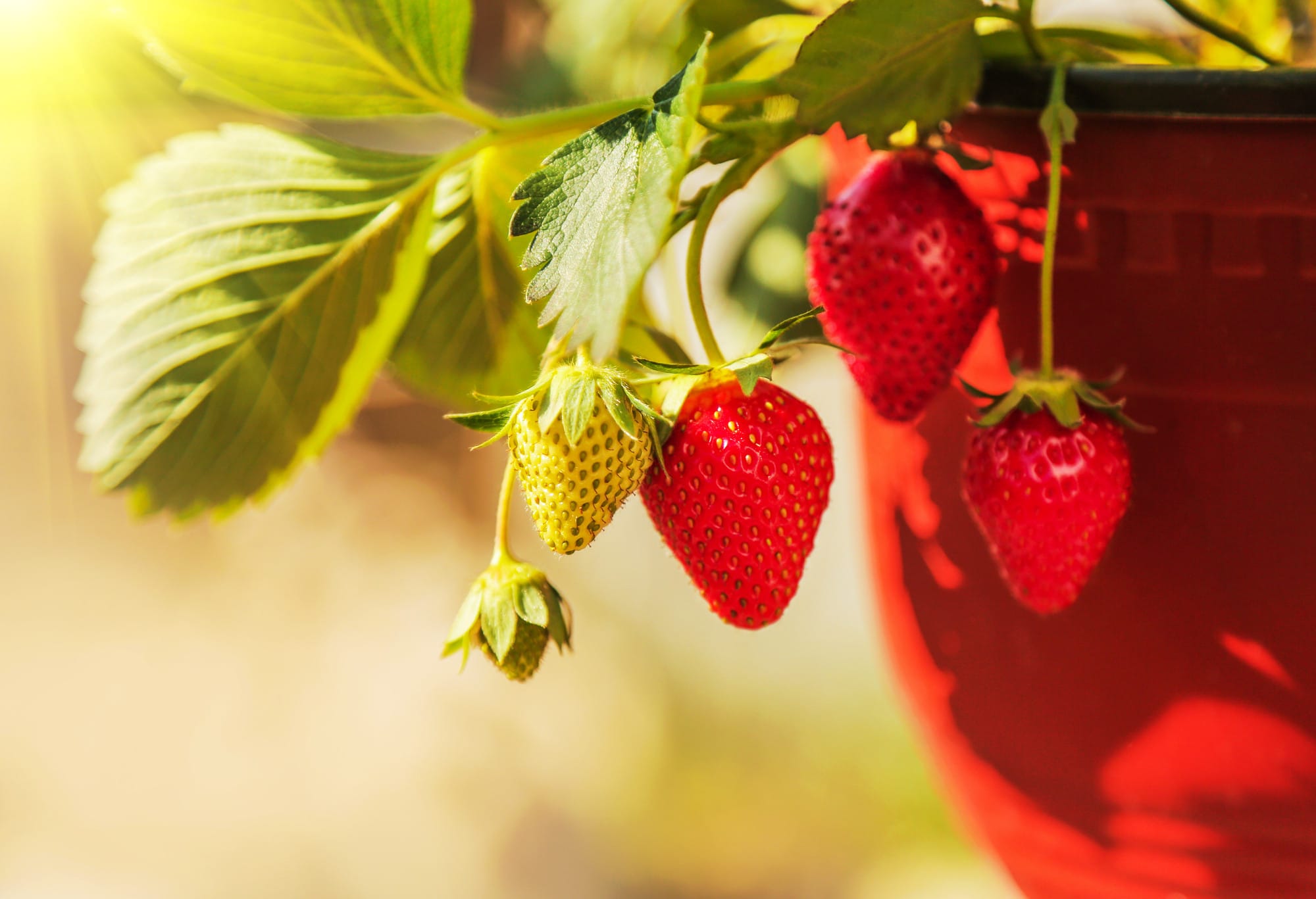
Dreaming of fresh, juicy strawberries but think you don't have the garden space? Think again! Growing your own strawberries doesn't require sprawling fields; in fact, these delightful fruits thrive in containers. If you're a beginner gardener, or simply short on square footage, learning how to grow strawberries in pots is a game-changer. This simple guide will walk you through everything you need to know to enjoy a bountiful harvest right from your patio, balcony, or even a sunny windowsill.
Why Choose Pots for Your Strawberries?
Strawberries are surprisingly well-suited for container life. Their relatively compact size and shallow root systems make them ideal candidates for pots, grow bags, and hanging baskets. Beyond just fitting into small spaces, there are numerous compelling reasons to opt for container-grown strawberries:
- Space Efficiency: This is perhaps the most obvious benefit. Whether you have a tiny balcony, a compact patio, or just a small corner of your yard, pots make it possible to cultivate delicious berries where traditional in-ground planting isn't an option.
- Aesthetic Appeal: Strawberry plants are beautiful! With their lush green foliage, delicate white or pink flowers, and eventually, vibrant red berries, they add a charming touch to any outdoor area. Their natural cascading habit looks particularly enchanting in hanging baskets, creating a living edible display.
- Overcoming Poor Soil: Not all gardens are blessed with rich, well-draining soil. If your native earth is clay-heavy, sandy, or nutrient-poor, pots offer a perfect workaround. You get complete control over the growing medium, ensuring your strawberries have the ideal conditions to flourish.
- Pest Deterrence: Many creatures, from birds and slugs to rodents, share our love for strawberries. By elevating your plants in containers, you naturally make them less accessible to ground-dwelling pests. You can also more easily implement protective measures like netting. To delve deeper into why container growing is so advantageous, read our detailed guide on Why Grow Strawberries in Pots? Save Space, Deter Pests, & More.
- Unmatched Convenience: Imagine stepping out your door and picking perfectly ripe berries for breakfast. Pots allow you to place your strawberry plants wherever it's most convenient for you – right by your kitchen door, next to your outdoor seating, or anywhere that simplifies daily watering and harvesting.
- Greater Control and Quality: Growing your own means you dictate the growing conditions. You can avoid pesticides and unknown chemicals, ensuring your berries are as natural and flavorful as possible. Plus, you decide when to harvest for peak ripeness and sweetness.
Getting Started: Planting Your Strawberry Patch in a Pot
The journey to homegrown berries begins with selecting the right plants and giving them a good home. Understanding how to grow strawberries in pots effectively involves making smart choices upfront.
When to Plant Strawberries in Pots
The ideal time to plant strawberries outdoors in pots is typically in March or April. The key is to wait until the threat of hard frost has passed, and the soil has begun to thaw and warm up. This timing gives the plants ample opportunity to establish their root systems before the heat of summer or the chill of winter sets in.
Choosing Your Plants: Bare Roots vs. Potted Starts
You generally have two options when it comes to acquiring strawberry plants:
- Bare-Root Strawberry Crowns: These are dormant plants, essentially just roots and a small crown (the central growing point). They are usually more budget-friendly and come in bundles. While they take a little longer to produce leaves and fruit, they often establish strong root systems. When planting, ensure the crown is at soil level, with roots spread out below and the top of the crown just peeking above the soil.
- Potted Plant Starts: Available at your local nursery, these are active, growing plants that are already rooted in soil. They offer a quicker path to foliage and fruit production, as they're already past the initial establishment phase.
Selecting the Perfect Pot
The right container is crucial for success. Strawberries don't need super deep pots, but they do benefit from width. Here's what to look for:
- Excellent Drainage: This is non-negotiable. Whatever container you choose – be it a terracotta pot, plastic planter, or fabric grow bag – it *must* have drainage holes at the bottom. Strawberries hate soggy feet. If your pot lacks holes, drill some yourself!
- Size Matters: While strawberries have shallow roots, they appreciate space to spread. Aim for a pot that is at least 8 inches deep and 10 to 12 inches in diameter. This size can comfortably accommodate two to three strawberry plants, allowing them sufficient room for growth and runner production.
- Material Considerations:
- Terracotta: Offers good breathability, which can help prevent root rot, but dries out quickly, requiring more frequent watering.
- Plastic: Retains moisture well, is lightweight, and affordable. Can get very hot in direct sun.
- Fabric Grow Bags: Excellent for air pruning roots, preventing circling, and providing superior drainage and aeration. They also help regulate soil temperature.
- Vertical Growing: If space is truly at a premium, consider vertical gardening solutions. Strawberry jars (pots with multiple openings on the sides), hanging baskets, and vertical growing towers are ingenious ways to pack more plants into a small footprint, making them perfect for balconies or urban gardens. For more inspiration on maximizing your harvest in compact areas, explore Grow Delicious Strawberries in Pots: Perfect for Small Spaces.
The Right Potting Mix
Do NOT use garden soil in your pots. It's too dense and doesn't drain well enough for containers. Instead, opt for a high-quality, well-draining potting mix. Look for mixes that contain perlite or vermiculite for aeration. Strawberries prefer a slightly acidic soil pH (around 5.5 to 6.5).
Choosing the Best Strawberry Varieties for Container Growing
Strawberries are broadly categorized into three types, and happily, all three can be successfully grown in pots:
- June-Bearing Strawberries: These varieties produce one large crop per year, typically in late spring to early summer (hence "June"). They often produce larger berries and are great if you want to make jams or freezes.
- Everbearing Strawberries: As their name suggests, these produce two to three smaller crops throughout the growing season – one in spring, one in summer, and sometimes another in fall. They are excellent for continuous fresh eating.
- Day-Neutral Strawberries: Similar to everbearing, these varieties produce fruit consistently throughout the growing season, as long as temperatures are between 35°F and 85°F. They don't rely on specific day lengths to initiate flowering and fruiting.
For beginners learning how to grow strawberries in pots, and especially for those wanting a steady supply of fresh berries, everbearing or day-neutral varieties are often the best choice. They provide a continuous harvest over several months, which is incredibly rewarding for container gardeners.
Sunlight, Water, and Essential Care for Potted Strawberries
Once your plants are in their new homes, consistent care will ensure a healthy, productive season.
Sunlight Requirements
Strawberries are sun-worshippers! They thrive with at least 6 to 8 hours of direct sunlight each day. More sun, ideally 8 hours or more, encourages stronger growth, a greater abundance of flowers, and, most importantly, sweeter, more flavorful berries. Position your pots in the sunniest spot available, rotating them if necessary to ensure all sides of the plant receive adequate light.
Watering Your Potted Strawberries
Container plants dry out faster than in-ground plants, so diligent watering is key. Strawberries prefer consistently moist soil, but never waterlogged. Overwatering can lead to root rot, while underwatering stresses the plant and impacts fruit production.
- Check Soil Moisture: The best way to know when to water is to stick your finger about an inch or two into the soil. If it feels dry, it's time to water.
- Water Deeply: Water until you see it draining from the bottom of the pot.
- Frequency: In hot, sunny weather, you might need to water daily, sometimes even twice a day. In cooler weather, every few days might suffice.
Fertilizing for a Bountiful Harvest
Since nutrients can leach out of pots more quickly, regular feeding is important. Use a balanced liquid fertilizer (like a 10-10-10 or one specifically formulated for berries) at half strength every 2-4 weeks during the active growing and fruiting season. Avoid over-fertilizing with nitrogen, as this can lead to lush foliage but fewer berries.
Managing Runners
Strawberry plants produce "runners" – long stems that send down new roots and form new plants. In containers, it's often best to prune most of these runners, especially in the first year, to encourage the main plant to put more energy into fruit production. You can let a few runners establish in the same pot if you want more plants, or you can root them in separate small pots to create new plants for next year.
Pest and Disease Prevention
While containers offer some protection, pests like aphids, spider mites, or even birds can still find your plants. Regularly inspect your plants for signs of trouble. Use organic solutions like insecticidal soap for common insect pests, and consider netting to protect ripening berries from birds. Ensure good air circulation around your plants to help prevent fungal diseases.
Overwintering Potted Strawberries
In colder climates (zones 5 and below), potted strawberries will need protection over winter. You can move the pots into an unheated garage, shed, or cold frame. Alternatively, insulate the pots by burying them in the ground up to their rims or wrapping them in burlap and straw. Continue to water occasionally during dormancy to prevent the roots from drying out completely.
Harvesting Your Homegrown Berries
The most rewarding part of learning how to grow strawberries in pots is, of course, the harvest! Strawberries are ready to pick when they are fully red (or the specific color of your chosen variety), firm, and fragrant. Gently twist or snip the stem just above the berry. Avoid pulling the berry directly, as this can damage the plant. Pick regularly, as ripe berries left on the plant can attract pests or rot.
Growing strawberries in pots is an incredibly satisfying and accessible gardening endeavor. With a little sunshine, consistent watering, and the right care, you'll be enjoying the sweet taste of homegrown berries in no time. From urban balconies to cozy patios, your simple guide to pot-grown strawberries ensures that fresh, flavorful fruit is always within reach.